

For many older adults, aging quietly brings an unexpected challenge: loneliness. As life changes — through the loss of a partner, declining mobility, or the natural drift of family and friends — seniors can find themselves increasingly cut off from the social world around them. What may seem like a personal struggle is, in fact, a serious health concern with wide-reaching consequences.

The Toll on Mental Health
When seniors spend extended periods without meaningful social contact, the effects on their mental health can be profound. Feelings of depression and anxiety tend to deepen, and without regular interaction to keep the mind engaged, cognitive decline can set in more rapidly. Long-term isolation has been linked to a higher risk of dementia and other neurological conditions. Beyond the clinical concerns, isolated seniors often lose their sense of purpose and self-worth, making it harder to find motivation in everyday life.
What Isolation Does to the Body
The impact of loneliness is not just emotional — it is physical. Seniors who are socially isolated face a greater likelihood of developing heart disease, hypertension, and other chronic conditions. Their immune systems become less effective over time, leaving them more vulnerable to illness. The body's stress response is also affected; prolonged loneliness raises cortisol levels, which gradually wears down physical resilience. Without the natural encouragement that social connection provides, many seniors also become less physically active, leading to muscle loss, reduced balance, and a greater risk of falls.
The Danger of Sitting Still
A sedentary lifestyle is one of the most common byproducts of isolation. Without the motivation that comes from social engagement, seniors may stop exercising, going outside, or participating in daily routines. Over time, this inactivity accelerates health decline — increasing the risk of obesity, diabetes, and worsening joint conditions — while also dulling mental sharpness. Movement and connection are deeply intertwined, and when one fades, the other often follows.
Practical Ways to Stay Connected
Combating isolation does not require grand gestures. Community programs, senior centers, book clubs, and group outings can all provide meaningful opportunities for regular interaction. For seniors with mobility challenges, even small gatherings at home or virtual meetups can make a real difference. Family members and caregivers play a vital role too — a phone call, a handwritten note, or a planned visit can lift spirits more than most people realize. Consistency matters; it is the regular presence of others that builds a true sense of connection.
Technology as a Bridge
For seniors who are homebound or live far from family, technology can serve as a genuine lifeline. Video calls, messaging apps, and social platforms allow older adults to stay in touch with loved ones and even meet new people. Online classes, discussion groups, and virtual events open doors to engagement that would otherwise be out of reach. With a little patience and guidance, many seniors find that technology significantly expands their social world.
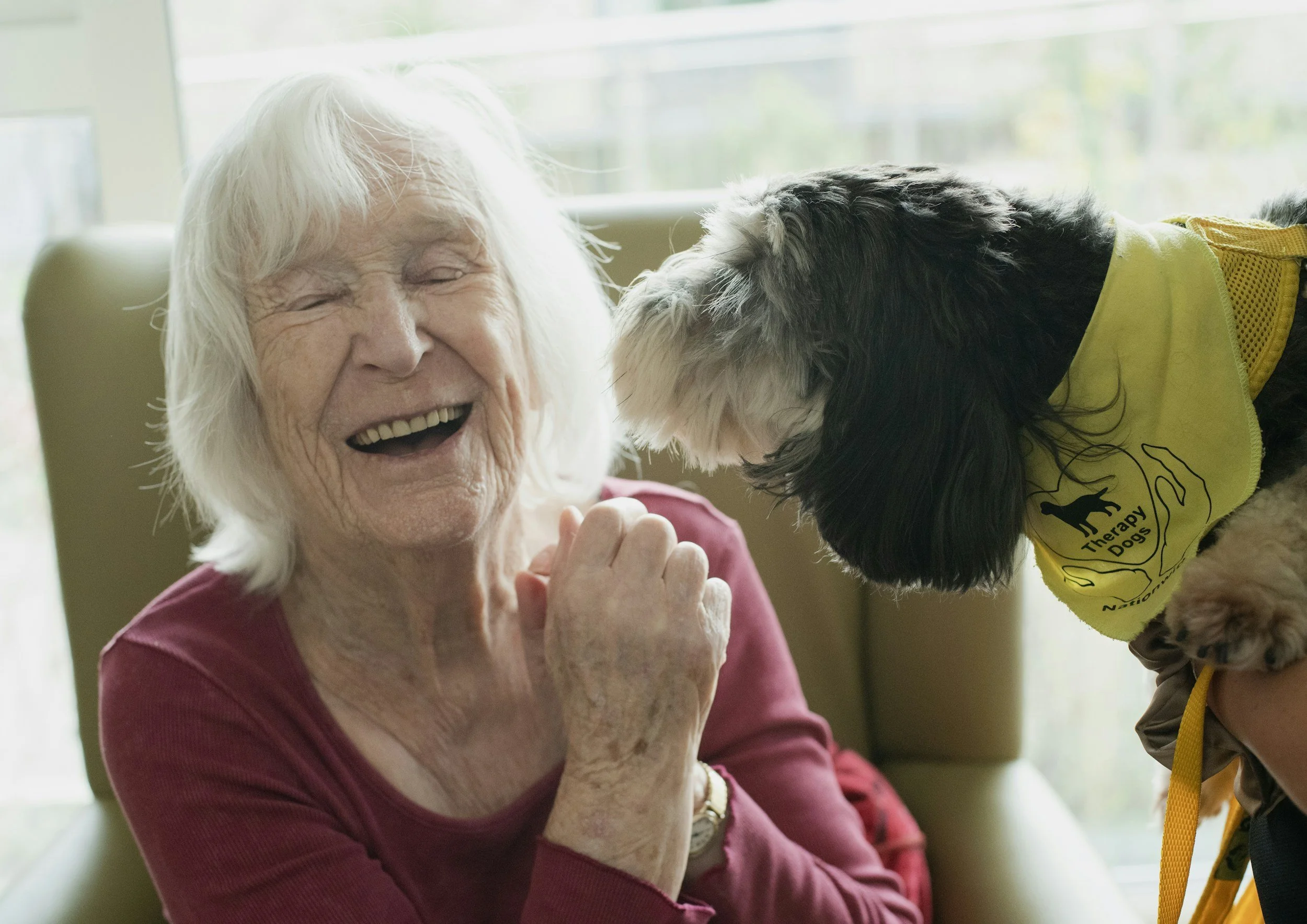
The Quiet Power of a Pet
Animals offer something uniquely comforting. For seniors living alone, a pet provides companionship, routine, and unconditional affection. The daily responsibilities of caring for an animal — feeding, walking, grooming — encourage physical activity and structure. Whether it is a dog, a cat, or even a small bird, a pet can be a steady source of joy and purpose that fills some of the silence that isolation leaves behind.
Moving the Body, Lifting the Spirit
Exercise is one of the most effective tools for fighting the effects of isolation, both physically and emotionally. Group activities like walking clubs, gentle yoga, or water aerobics offer the dual benefit of movement and social interaction. Even for those with limited mobility, light stretching or seated exercises can improve strength, mood, and mental clarity. The key is making physical activity a regular part of the day, ideally in the company of others.
Giving Back as a Form of Connection
Volunteering offers seniors a powerful sense of purpose while keeping them socially active. Contributing to a local organization, mentoring younger generations, or simply making phone calls for a charitable cause can foster new relationships and reinforce a sense of belonging. When seniors feel needed and valued by their community, the effects on their overall well-being are remarkable.
Connection Is Care
Social isolation is not an inevitable part of aging — it is a challenge we can actively work to prevent. Through community involvement, family engagement, thoughtful use of technology, and professional support when needed, we can help seniors maintain the connections that keep them healthy, engaged, and fulfilled. Ensuring that older adults feel seen, heard, and included is one of the most meaningful things we can do for their long-term well-being.